

CBRB Astana
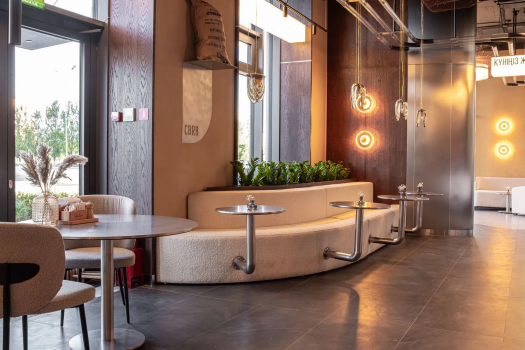
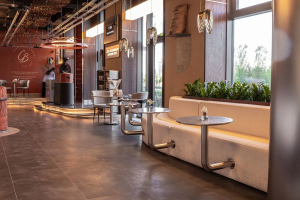
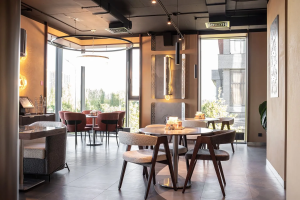
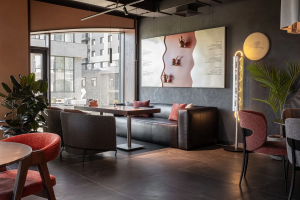
Here, coffee is roasted right in the coffee shop, and the history of the Kazakh steppe becomes part of the interior design. Botai culture, pottery, modern equipment, and original installations are brought together in a single open space.
A coffee shop, kitchen, and in-house roasteryall in one space
CBRB Astana is the place to come for breakfast, a meeting, your favorite coffee, or a new taste.
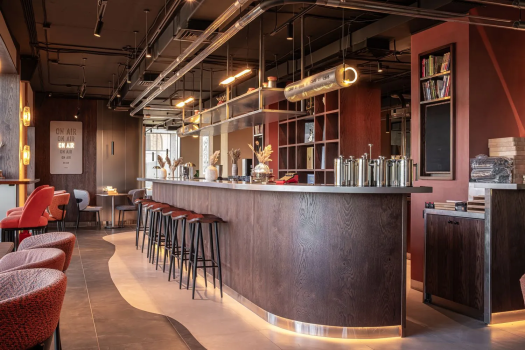
The Coffee Boom Roasters & Bakery format combines in-house roasting, an open kitchen, baked goods, desserts, and a signature interior.
You can simply eat and drink coffee, or you can linger, watch the roasting machine in action, choose a rare coffee lot, and stroll through the halls with installations.


A flagship
city
with deep
origins
Astana is the capital, and in many ways, the flagship city for the people of Kazakhstan. It's a vibrant and rapidly developing metropolis with deep origins. That's why the CBRB project is eclectic, blending tradition and history with modern technology and knowledge.
This CBRB project is dedicated to the events that took place in these lands in the 4th millennium BC, during the time of the Botai culture, famous throughout the world for the fact that it was here that man first domesticated the horse.
Millennia later, in the 19th century, the city of Akmola arose on these same lands, founded as a fortress. This is the first historical name of modern Astana.
Astana is the capital, and in many ways, the flagship city for the people of Kazakhstan. It's a vibrant and rapidly developing metropolis with deep roots. That's why the CBRB project is eclectic, blending tradition and history with modern technology and knowledge.
This CBRB project is dedicated to the events that took place in these lands in the 4th millennium BC, during the time of the Botai culture, famous throughout the world for the fact that it was here that man first domesticated the horse.
The open steppe has always been a hub for interaction between many ethnic groups and cultures. The descendants of Botai's first horse breeders spread their culture over many kilometers over time. Horses ultimately became a new dimension of freedom and a new era in the development of the peoples of modern Kazakhstan.
CBRB ASTANA is a stylish coffee production and brewing facility, open to guests every day. It's a place where every detail has been carefully considered to immerse you in the multifaceted world of coffee, combined with the culture of the Kazakh people.
Terracota
The signature color of this project is terracotta. It pays homage to the pottery crafts of the people who lived here many years ago. At the same time, it's the hue of roasted coffee beans, craftsmanship, artisanal handcrafting, and production imbued with the soul of professionals.
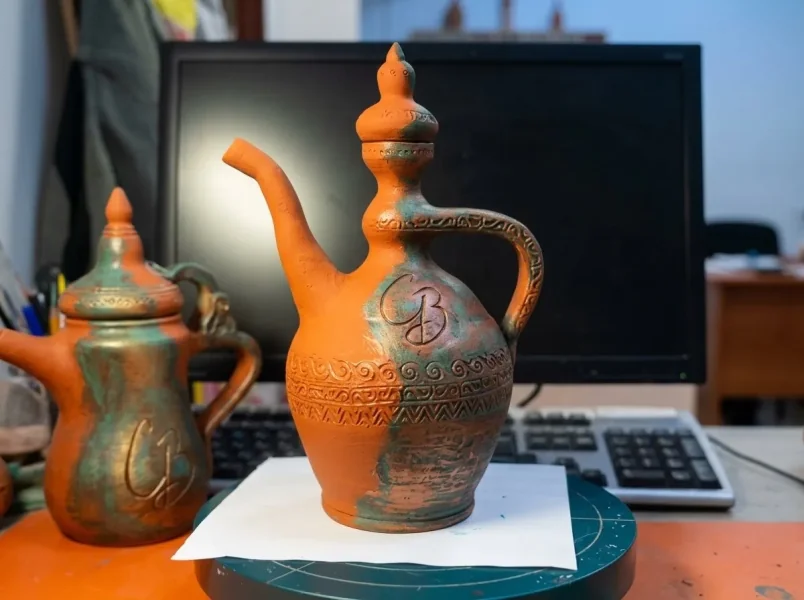
A jebe is a thick-walled clay vessel for fermenting kumiss, created by artisans of the past. Potteries by the rivers stood side by side with corrals, and horses were the heart of Botai culture and economy. Pottery and horse breeding developed in close connection and complemented each other.
The word "terra cotta" literally translates as "burnt earth."
Around 9,000 years ago, people learned to fire clay in a kiln. The soft natural material's properties were forever altered by the fire. The terracotta color is a tribute to the pottery of ancient masters.
Equipment, interior and art were developed jointly
The CBRB interior isn't just a design, it's a space with a unique concept. It's a collaboration between the Coffee Boom team, the Weroast Unique Design studio, and the Boronshy Asana Serikkazyuly art studio.
Exclusive art objects and installations have been created specifically for the project, becoming an integral part of the atmosphere and conveying the spirit and history of Kazakhstan.
Each element of the space is designed individually and exists in only one copy.
From a green grain
to your cup
Everything is signature - from grain to dessert
Our own factory in Astana, 1,500 m². 24/7 production, 200+ team members, daily delivery of fresh products to every coffee shop.
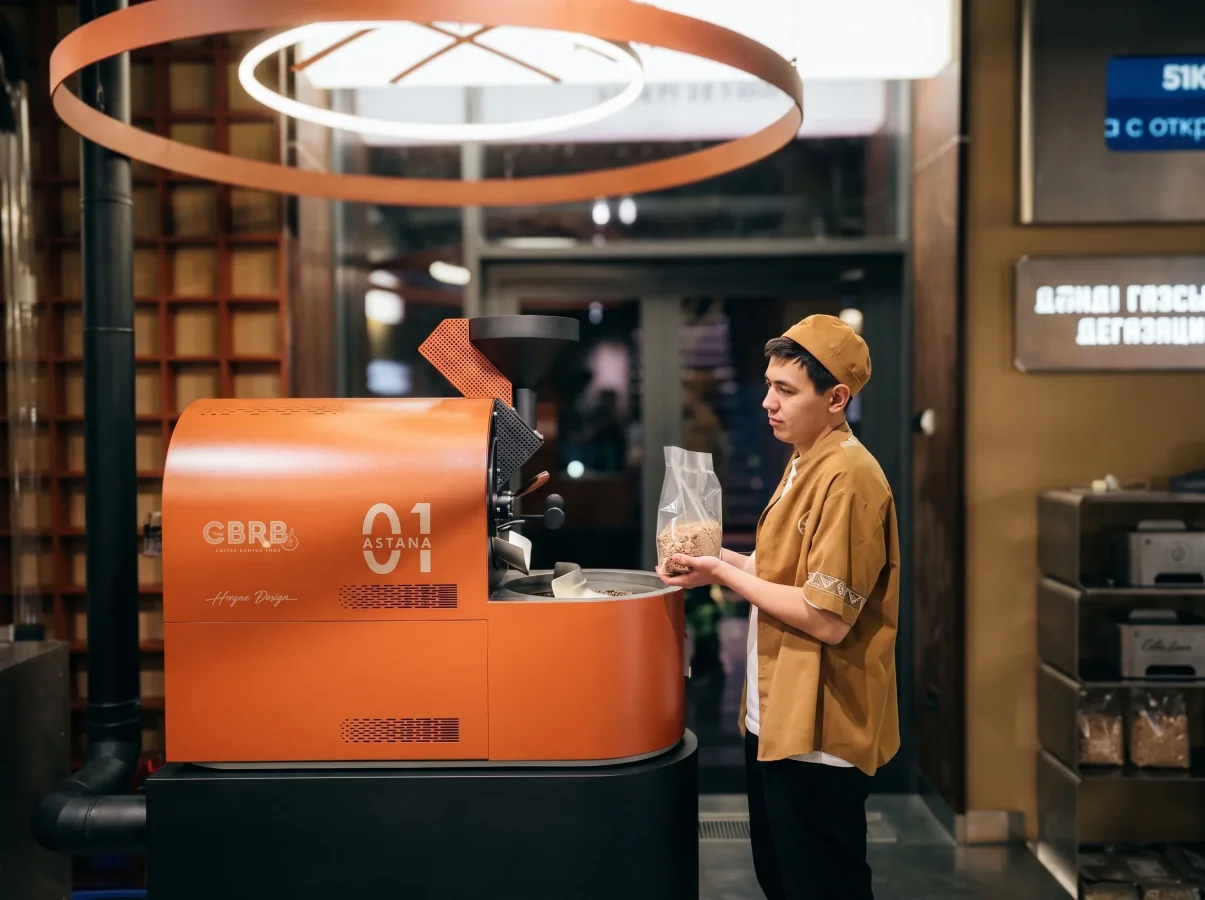
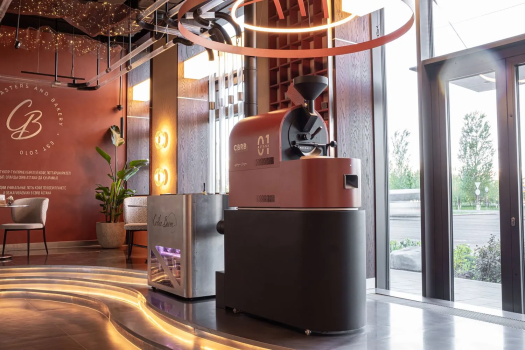
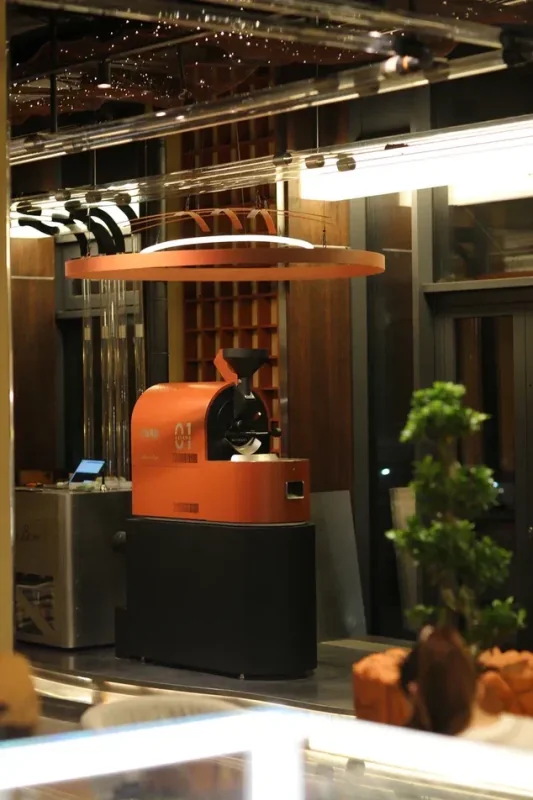
A professional Weroast Model R 4.2 roasting machine is located in the center of the first floor. The team uses it to roast coffee for the project. Guests can see the roastmaster at work, hear the equipment, and smell the aroma of freshly roasted beans.
The machine is terracotta-colored and adorned with engravings of CBRB and the Astana region code. Its design is a one of a kind.
Loading green beans, roasting process and unloading finished coffee
Coffee doesn't arrive ready-made from a distant factory. It's roasted here and checked on-site
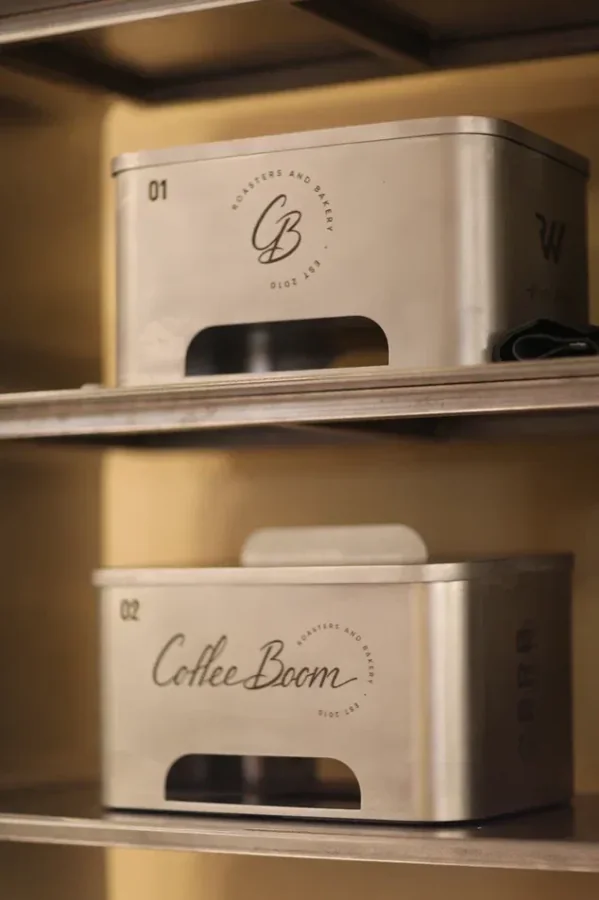
Immediately after roasting, the beans release carbon dioxide. If roasted too early, the flavor can be harsh and unstable. Therefore, the coffee is placed in numbered stainless steel containers and left to degas.
The team knows which lot is in each container and how long it has been resting. A nearby electronic counter displays the total volume of coffee roasted since the project's start.
From several hours to a day, depending on the lot and roasting profile
The flavor becomes calmer, cleaner and more predictable when cooked
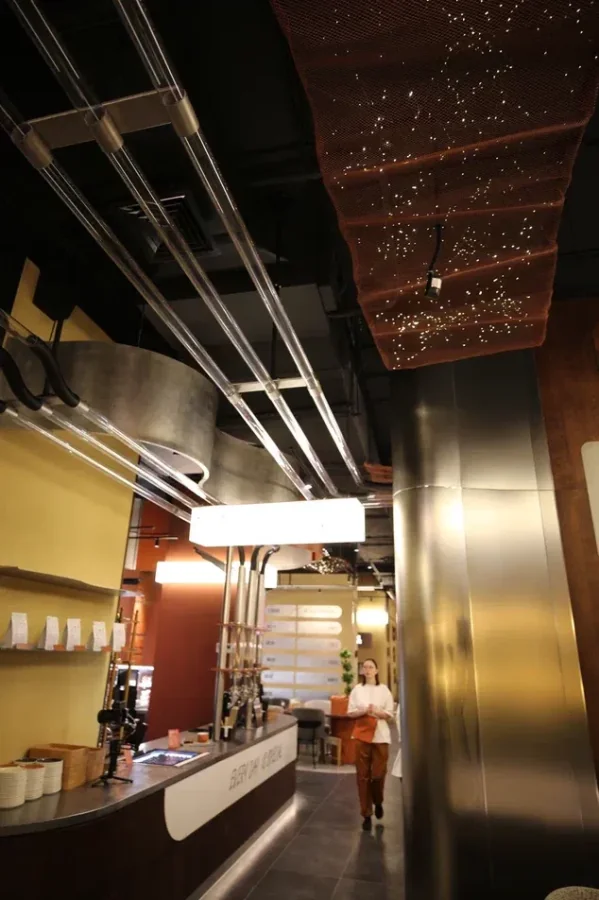
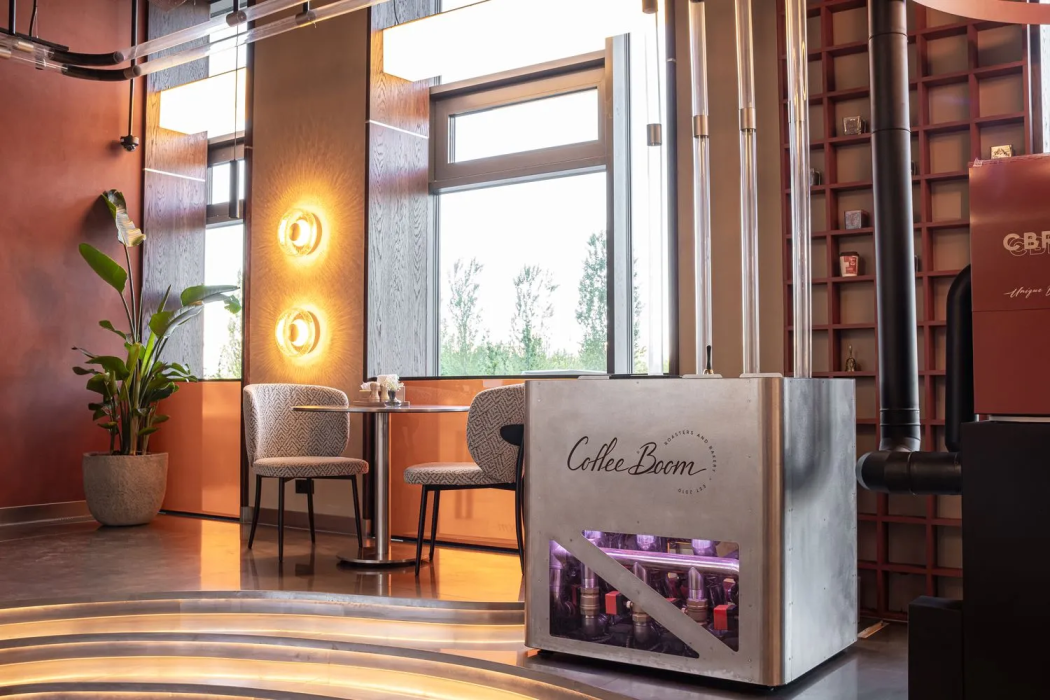
Four transparent lines run above the first floor. Three of them deliver grain to the bar, and the fourth returns it and is used as a demonstration.
Air moves the beans through pipes from the roasting area to the receiving silos. Baristas receive their coffee right next to their workstation, and guests can follow its journey throughout the entire room.
This is a pneumatic delivery of grain from the roasting machine to the bar
The coffee journey becomes visible and the working system becomes a small show
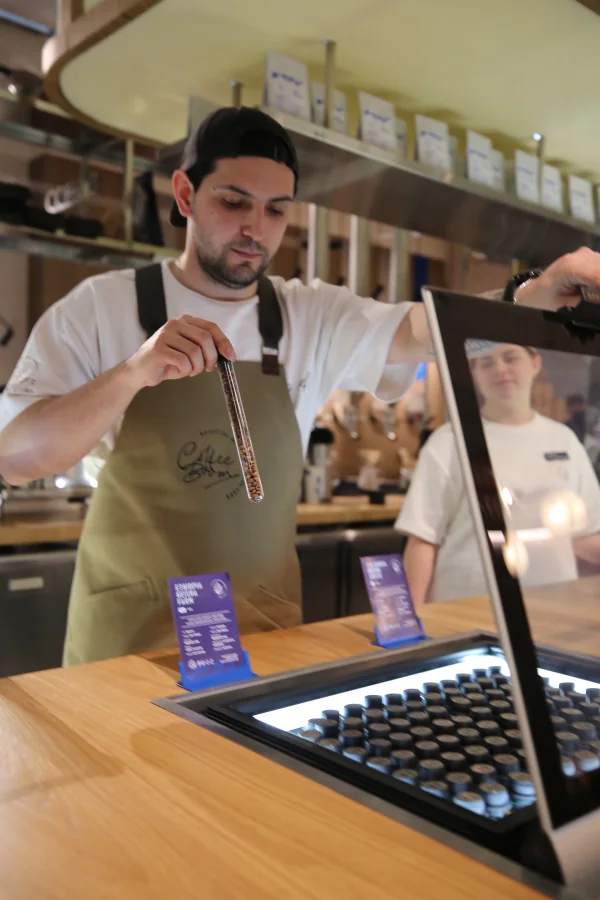
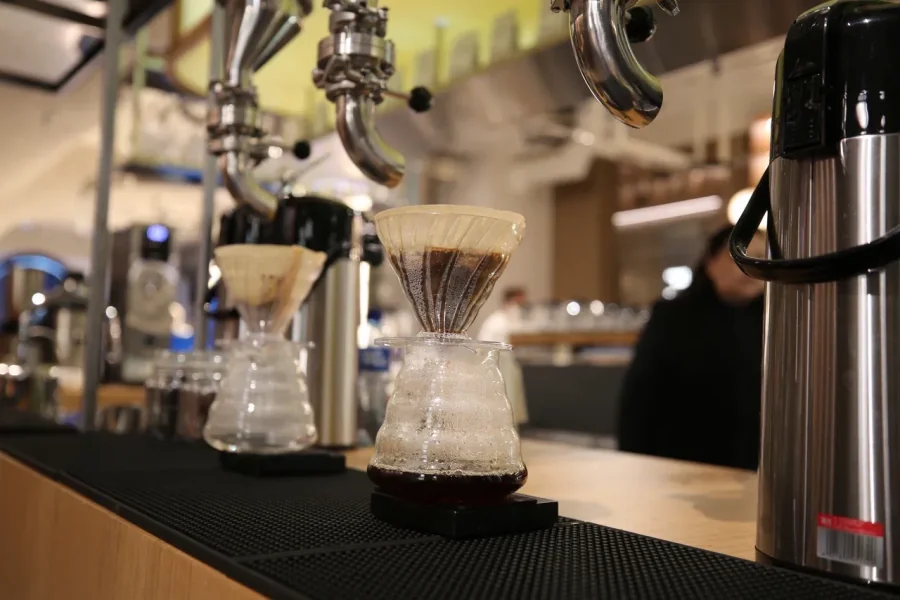
Some of the coffee lots are destined for the V60 filter. These lots are divided into portions, placed in glass tubes with valves, and frozen. The cold significantly slows the aging of the beans and helps preserve their flavor and aroma longer.
The barista removes one test tube before brewing. This allows for a rare coffee to be enjoyed not only in the first days after roasting, but also later, when regular beans would have begun to lose their vibrancy.
−20 °C
Rare and limited edition V60 coffee lots
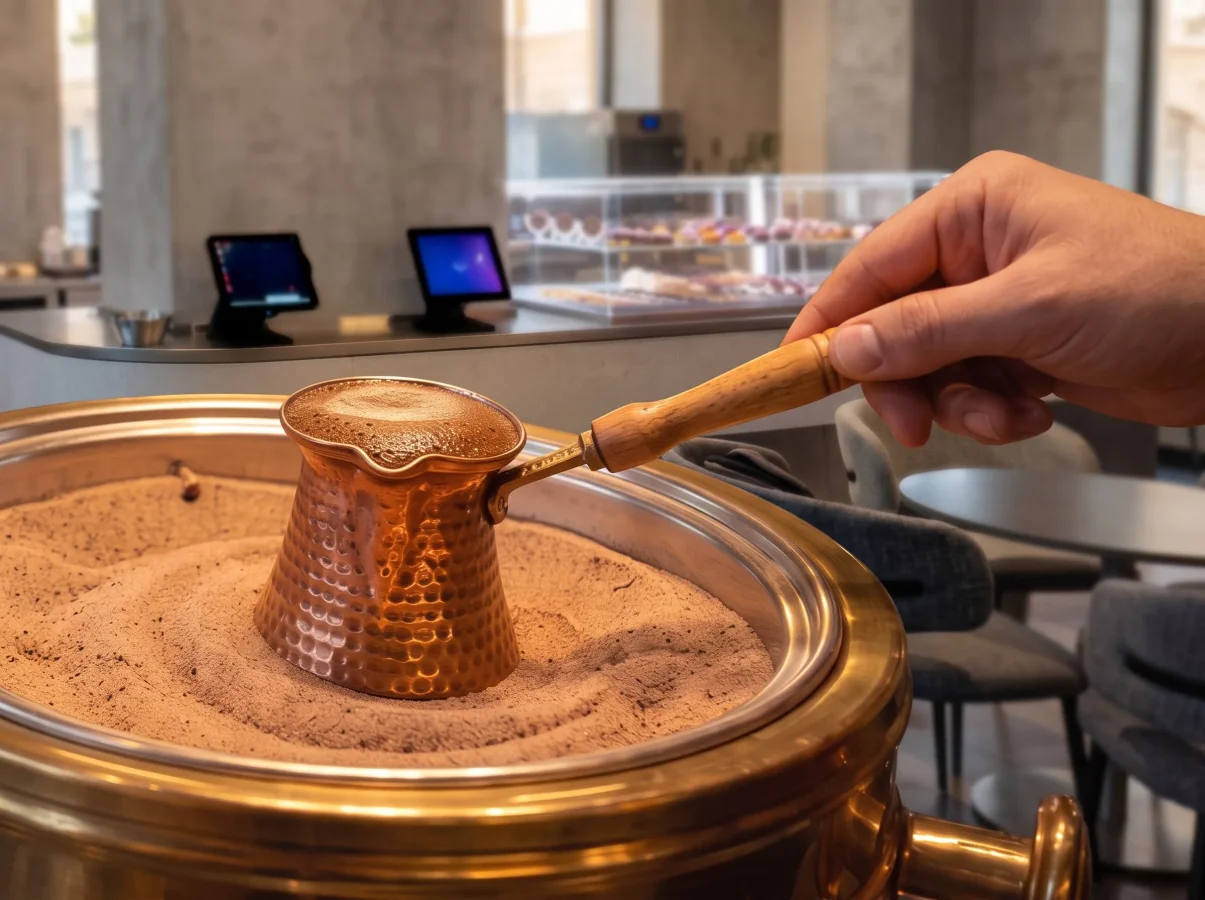
One of the oldest methods of making coffee has received modern equipment. The cezve is immersed in heated sand, which distributes heat evenly from all sides.
The guest watches the entire process. The barista controls the heat, lifts the cezve, and returns it to the sand until the drink is ready. This is a slower and more spectacular method than traditional espresso.
Coffee in a cezve with a dense body and a bright aroma
Ancient cooking meets modern equipment design
Stories that
unfold while walking through
the coffee shop
Each installation is dedicated to a specific theme. Some tell the story of Kazakhstan and Botai culture, others explain coffee, and still others create the mood of the space.
horse breeders
on a ceramic panel
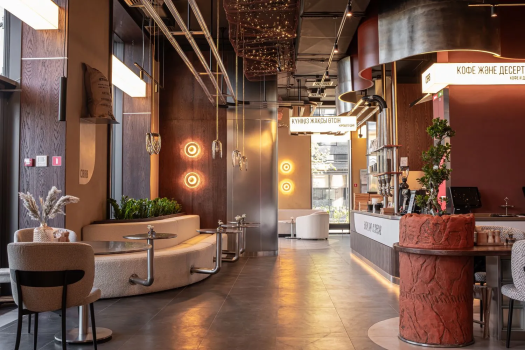
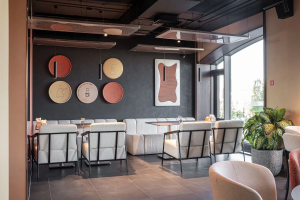
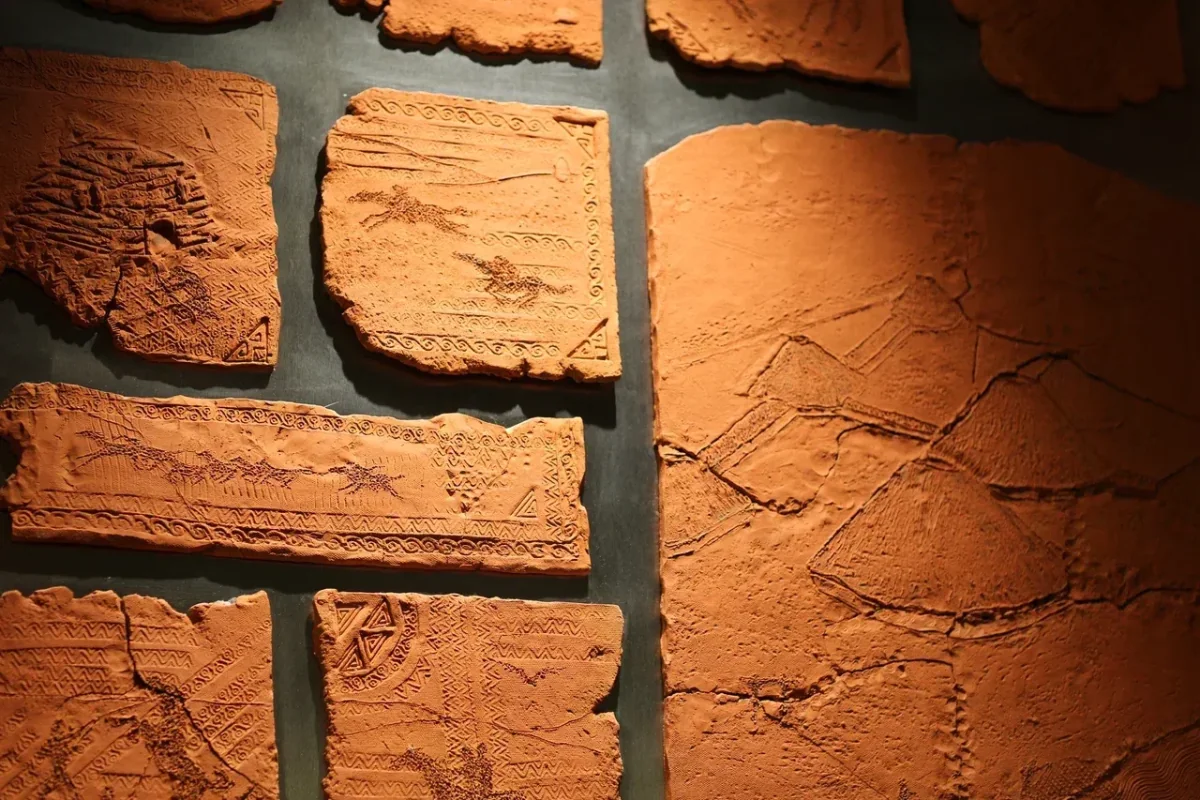
The main installation on the first floor is made up of terracotta tablets reminiscent of ancient cave paintings. They depict scenes of everyday life, housing, and the domestication of horses.
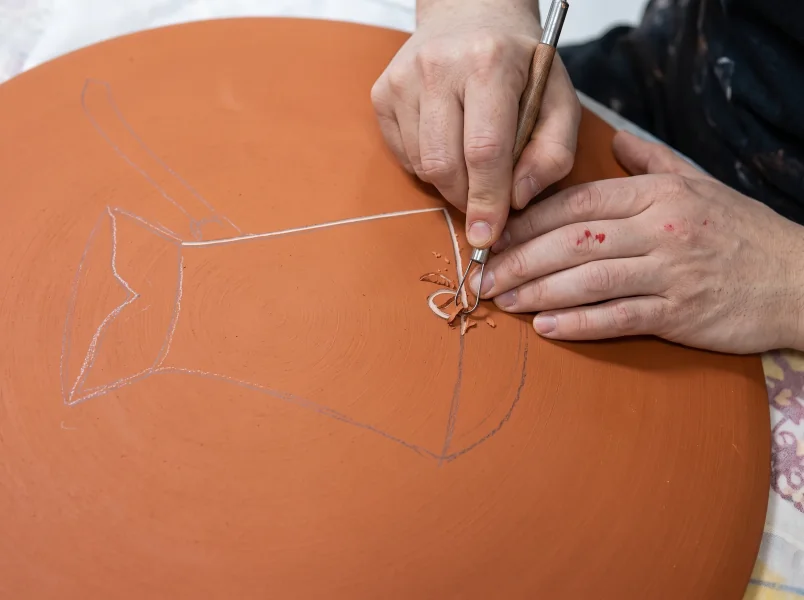
Each plaque was handcrafted and painted by artist Boronshy Asan Serikkazyuly. The uneven edges and cracks appeared during the drying and firing process. They are not hidden, because it is precisely these details that bring the ceramics to life.
The panel continues with a large vessel containing a real tree. Its circular painting tells the story of the Botai people's lives and combines the ancient motif with a living plant in a modern interior.
The panel explains the project's main idea without a long lecture. Simply get closer and examine the individual scenes.
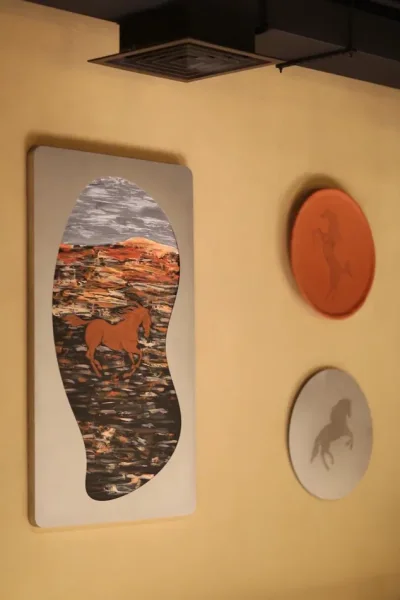
in different states
of motion
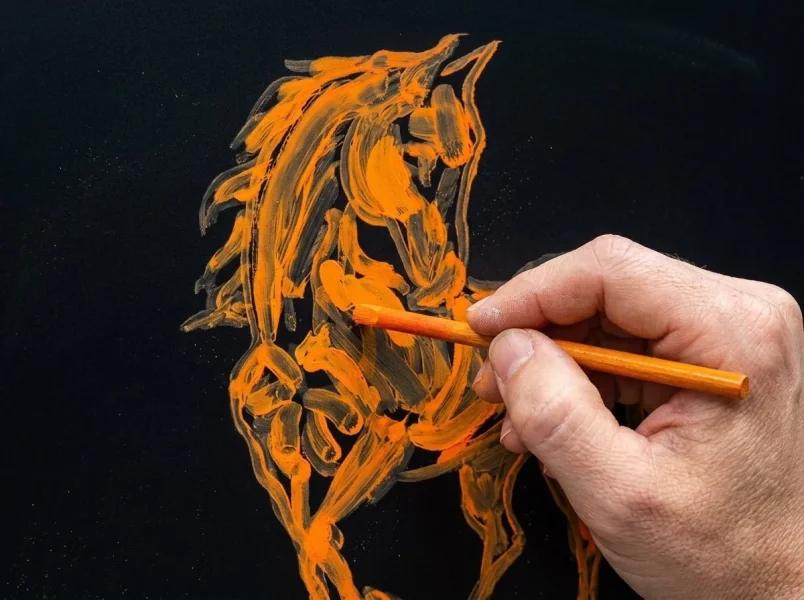
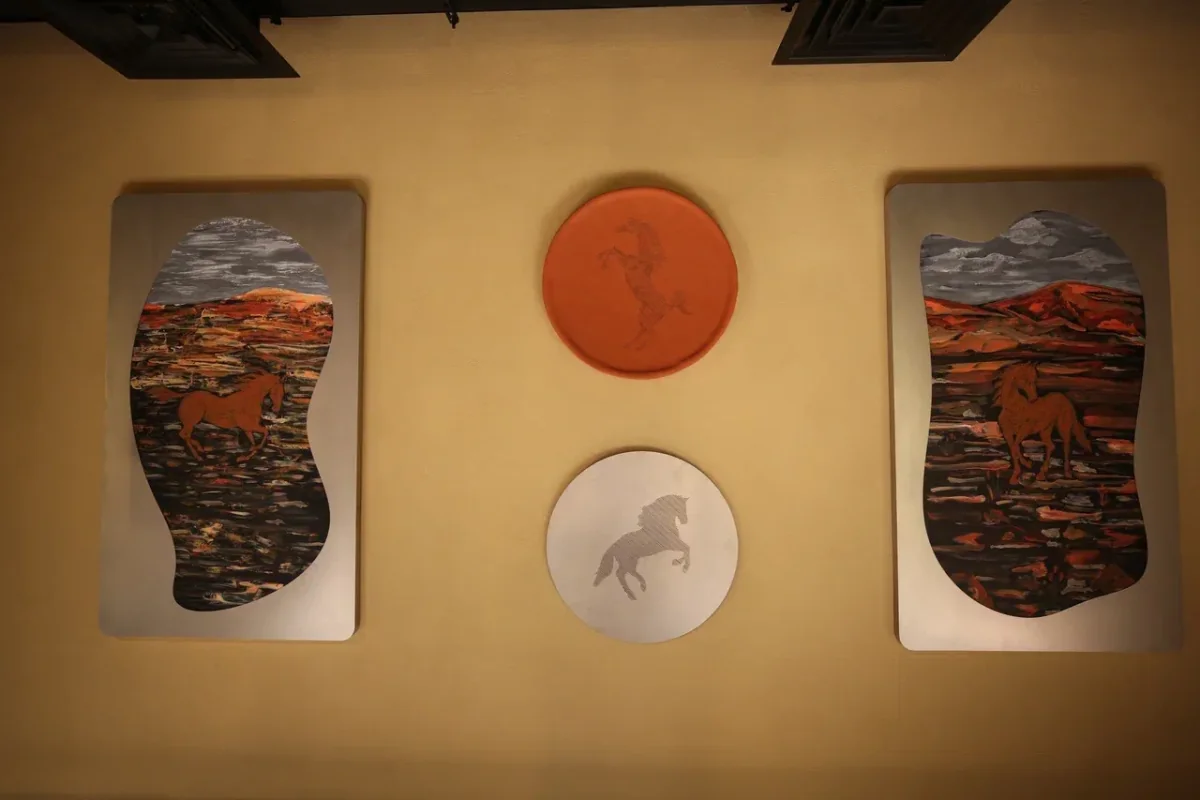
The wall depicts not a herd, but a single collective image. The horse stands, walks, breaks into a trot, and picks up speed. Thus, the installation speaks of the journey, freedom, and forward movement.
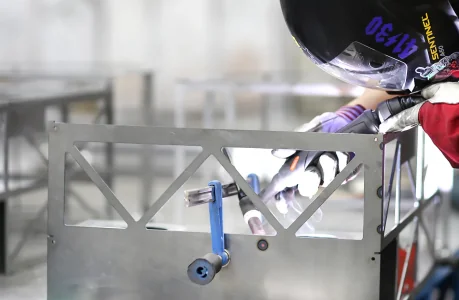
The art object combines two techniques. Part of the image is hand-applied onto ceramics, as was done by ancient masters. The other part is laser-engraved onto metal. Past and present are juxtaposed, not at odds with one another.
The panel explains the project's main idea without a long lecture. Simply get closer and examine the individual scenes.
how the green grain
becomes roasted
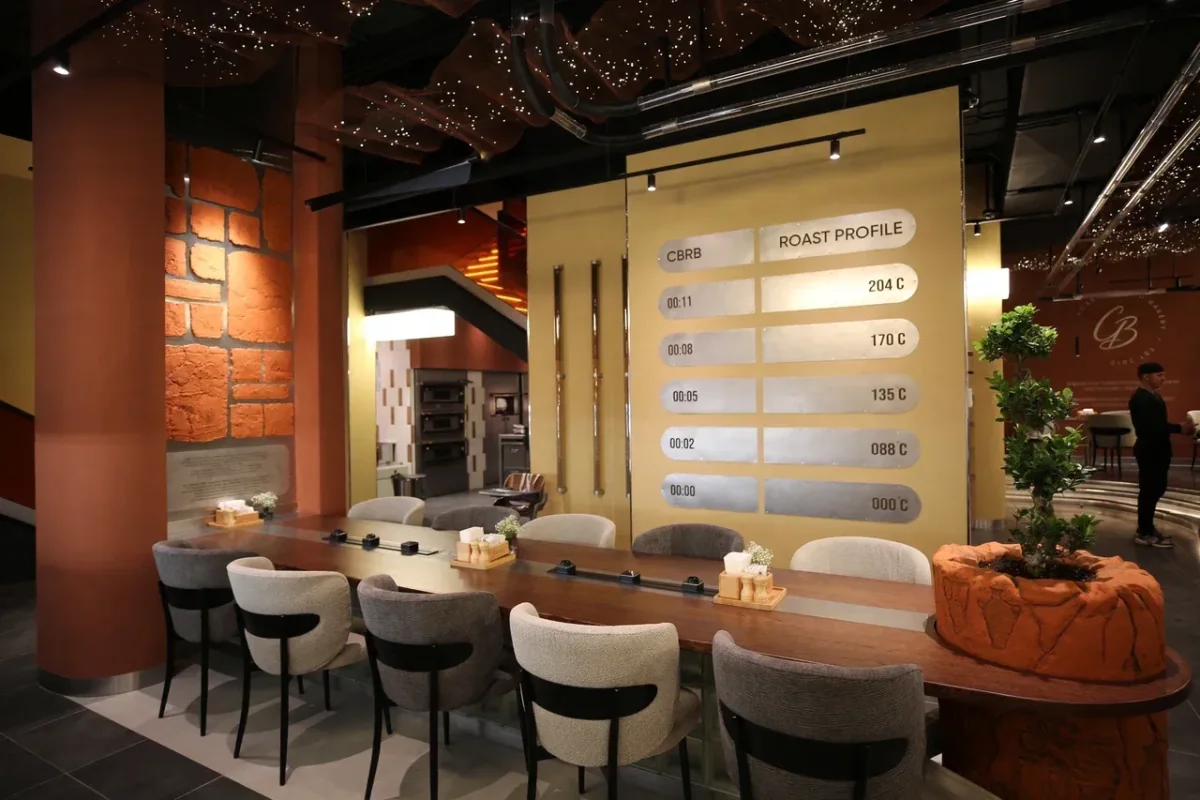
Three transparent tubes are filled with beans at varying stages of preparation. The first shows green coffee, the second indicates the intermediate stage, and the third shows the finished dark beans. A metal plate displays the temperature and time for each stage.
Four more pipes allow you to compare different lots. These include Brazil's Cerrado, Ethiopia's Sidamo, Tanzania's Rukuma, and Burundi's Muyinga. Even without tasting, it's clear that the beans differ in size, shape, and hue.
This is a simple way to explain roasting to someone who doesn't yet understand the technical terms.
Roasters appears
in the name
Roasters is the name given to projects that roast their own coffee. At CBRB Astana, the roaster is located right inside the coffee shop, not in a separate facility. Therefore, the sign at the entrance honestly communicates the place's main feature.
short text in Kazakh and Russian is posted nearby. It outlines the team's approach to coffee.
"We source unique coffees from all over the world and roast them at CBRB Astana."
specialty come from
and why altitude matters
The Specialty 1974 inscription commemorates the year Erna Knutsen first used the term for small batches of coffee with a strong flavor and clear origin.
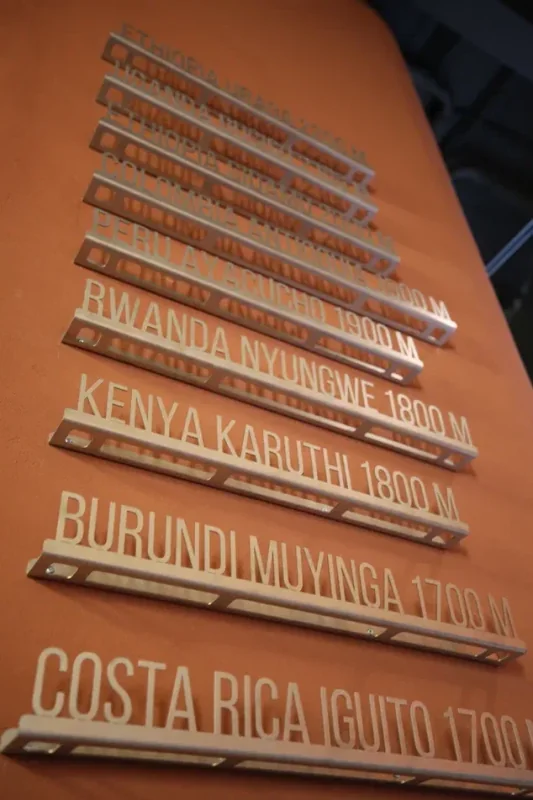
Next to the stairs are shown the coffee regions and the altitudes at which the beans grow. The higher the plantation, the slower the coffee cherries ripen. The beans have more time to accumulate sugars and acids. Therefore, high-altitude coffee often produces a more complex, fruity or floral flavor.
The installation doesn't claim that high-quality coffee is always better than low-quality coffee. It shows why climate and altitude influence flavor just as significantly as the variety and processing.
This is a simple way to explain lots difference and to understand coffee culture.
devices have changed
over the centuries
One wall is dedicated to the major inventions of coffee culture. Round panels and ceramic elements display devices from different eras, their country of origin, and the time of their creation.
A separate composition depicts sand-based coffee preparation. Three real vessels stand on pedestals. The ibrik originated in Ancient Persia, the cezve developed in the Ottoman Empire, and the dalla became an important part of the Arabian Peninsula's coffee culture.
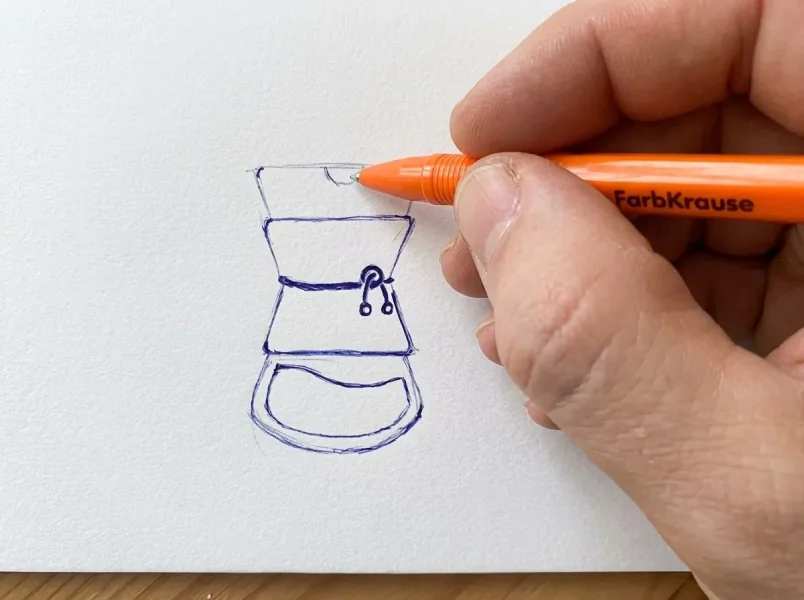
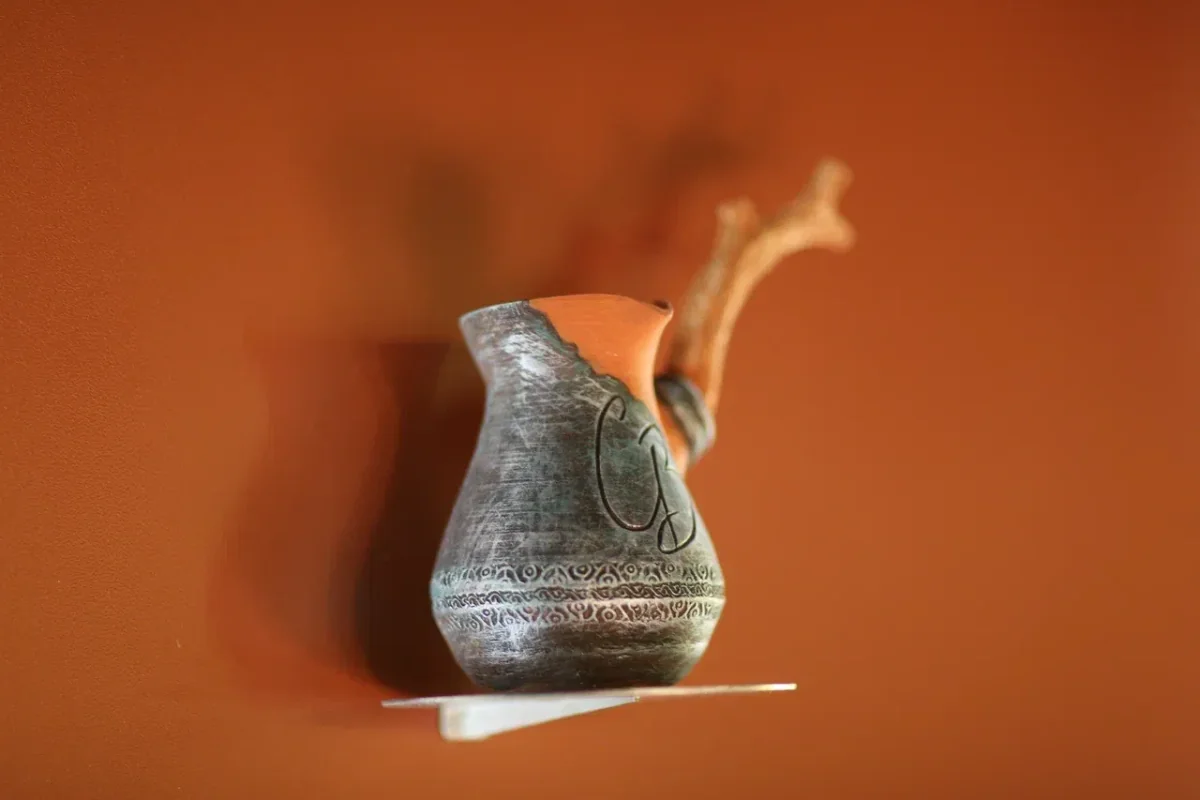
On the opposite wall there is a painting by Boronsha Asan depicting a cezve. The real object and the painting contrast, demonstrating how an ancient method of preparation lives on in a modern space.
that seemed
to hang in the air
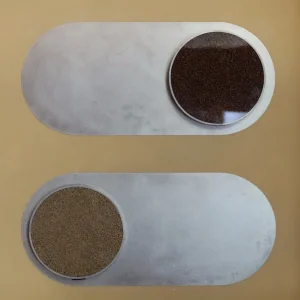
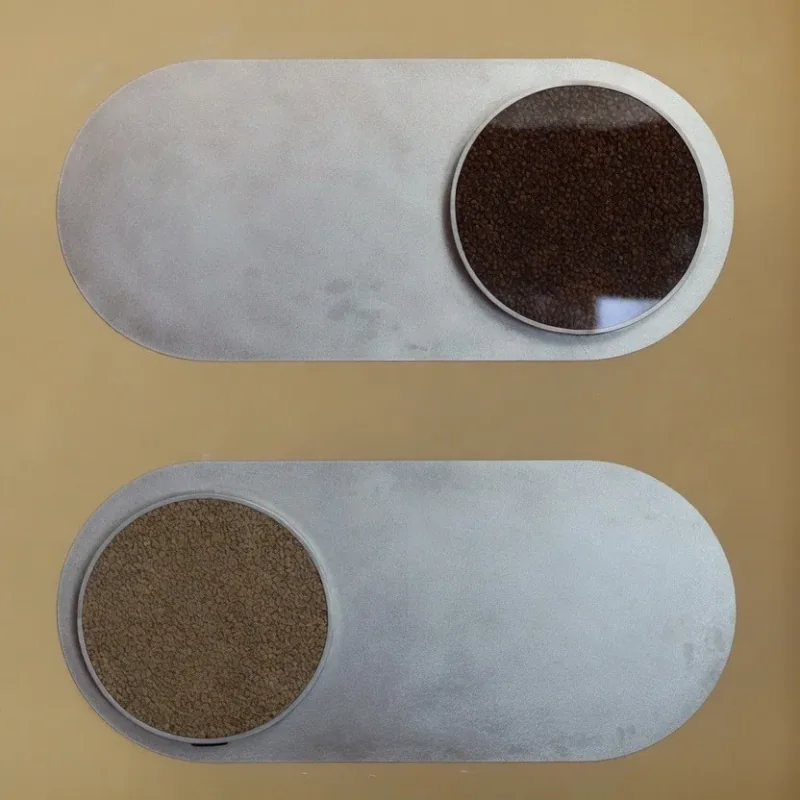
The Slider installation looks like enlarged switches from a phone screen. Two of them are filled with roasted beans, one green. The familiar digital sign becomes a large physical object, displaying two coffee states.
Above the hall are four panels of coffee beans. From below, they appear suspended in mid-air, defying gravity. This work makes you look up and pause for a few seconds.
Both installations discuss coffee without historical citations. They use a visual language that is accessible to modern urban consumers.
dedicated
to music
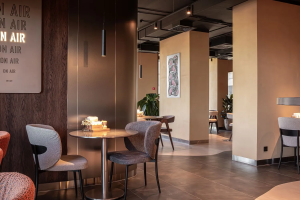
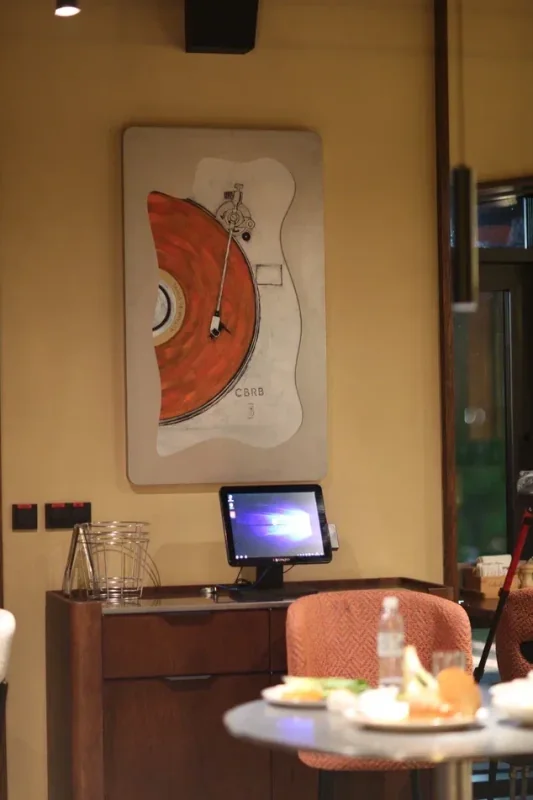
The ON AIR display, vinyl turntable, and record cabinet create the atmosphere of a space where music is listened to attentively. Analog sound pairs well with coffee, which also requires time and attention to detail.
A dedicated lighting collection was developed for CBRB Astana. It includes floor lamps, wall sconces, and pendant lights. All are designed specifically for this interior and are unique to the space.
Nearby is a composition about vinyl and handicrafts. The artist drew the grooves on the painted record one by one with a compass. This slow work continues the idea of specialty in a broader sense. A good result is made up of many small, precise actions.
Breakfast, meeting,
work, or a new experience
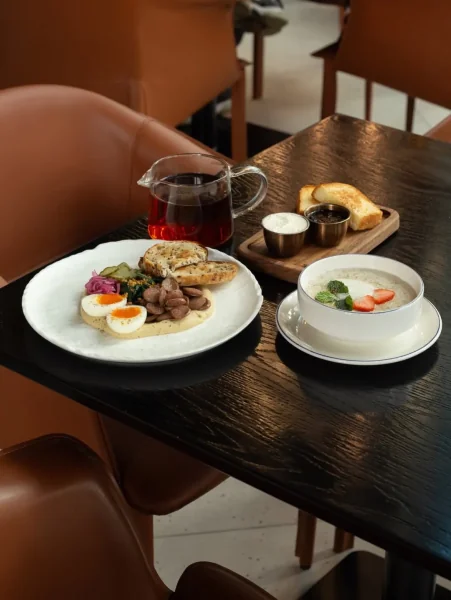
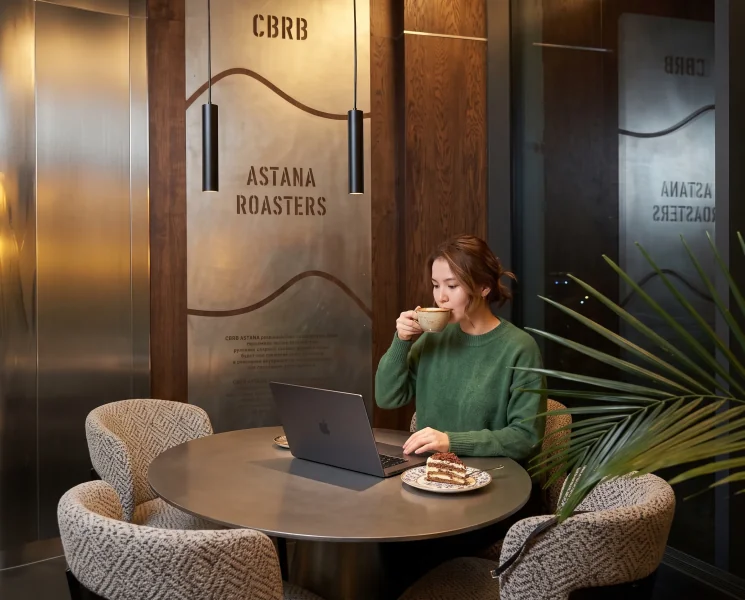
You don't need to be a coffee expert or plan a separate excursion. At CBRB Astana, you can simply eat, meet, or work. And if you're feeling adventurous, the space opens up even further.

One format
three different cities
Each project has its own color, history, and character. Choose a city to see how the overall CBRB concept evolves with the location.
Botai culture and the terracotta color, a tribute to pottery and coffee roasting, formed the basis of the project's concept.